Medication

Part Thirteen: The Truth About Diet Pills and the Misconceptions About Two Meals a Day
The article exposes the dangers of diet pills, pointing out that while stimulants can lead to short-term weight loss, they can also cause addiction and metabolic breakdown. It corrects the misconception that "eating only two meals a day will eventually turn you into a sumo wrestler," explaining through a dialogue with a sumo coach that sumo wrestlers actually eat multiple meals a day and pay...
2026-05-31
Article 18: Will drinking fresh milk make me fat? - Don't believe the advertisements; drinking water won't make you fat.
The author responds to readers' questions about drinking fresh milk versus water. She points out that both milk and fresh milk contain lactose and fat, and excessive consumption can lead to weight gain. She criticizes the claim that "drinking water can also cause weight gain" and introduces a foreign "water-drinking weight loss method": drinking 1000cc of boiled water each morning, noon, and...
2026-05-31
Growth hormone weight loss method: efficacy, side effects and truth revealed
This paper delves into the principles, efficacy (fat burning, muscle gain, immune system enhancement, wrinkle reduction, etc.) and serious side effects (elevated blood sugar, edema, increased cancer risk) of growth hormone therapy for weight loss. It emphasizes that growth hormone injections are expensive and harmful, and the most natural way is for the body to secrete its own growth hormone....
2026-05-29
**The Truth About Constipation: Wrong Habits and Correct Treatments**
Most constipation stems from poor dietary habits: eating too little, drinking too little water, lack of fiber, and skipping breakfast. To treat constipation, increase your intake of fiber such as seaweed and vegetables, aiming for 25-30g of fiber daily, and drink plenty of water. Psyllium husk peel is a safe, semi-soluble fiber. Do not rely on laxatives, as these can lead to intestinal...
2026-05-23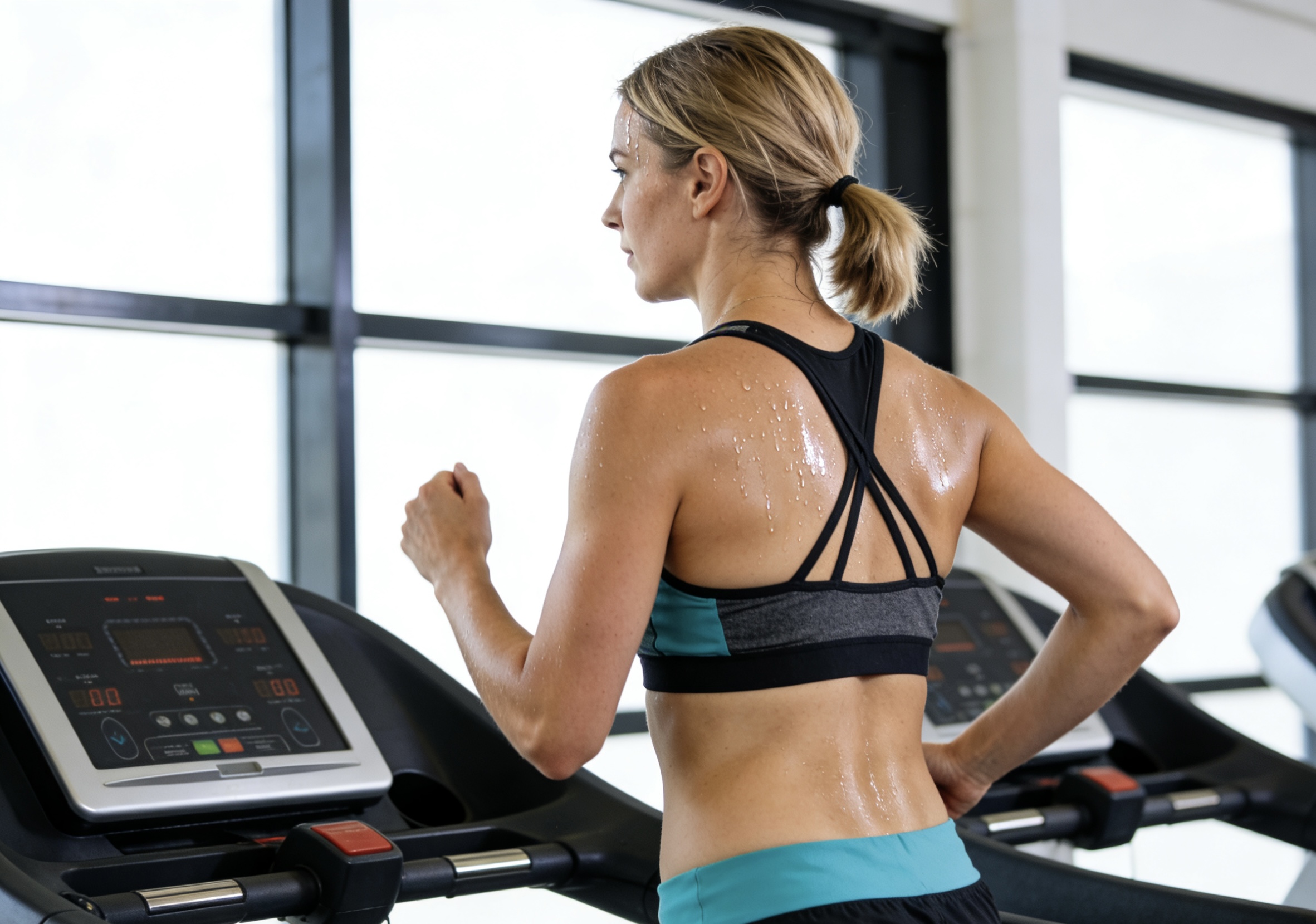
A Comprehensive Analysis of Weight Loss with Traditional Chinese Medicine and Western Medicine: Traditional Chinese Medicine for Resolving Phlegm and Dampness vs. Western Medicine for Suppressing Appetite
This article systematically introduces the methods of treating obesity using both traditional Chinese medicine and Western medicine. Traditional Chinese medicine addresses obesity from the perspectives of phlegm, dampness, and qi deficiency, providing several classic formulas. Western medicine covers appetite suppressants, biguanides, thyroid hormones, and other drugs, analyzing their...
2026-05-23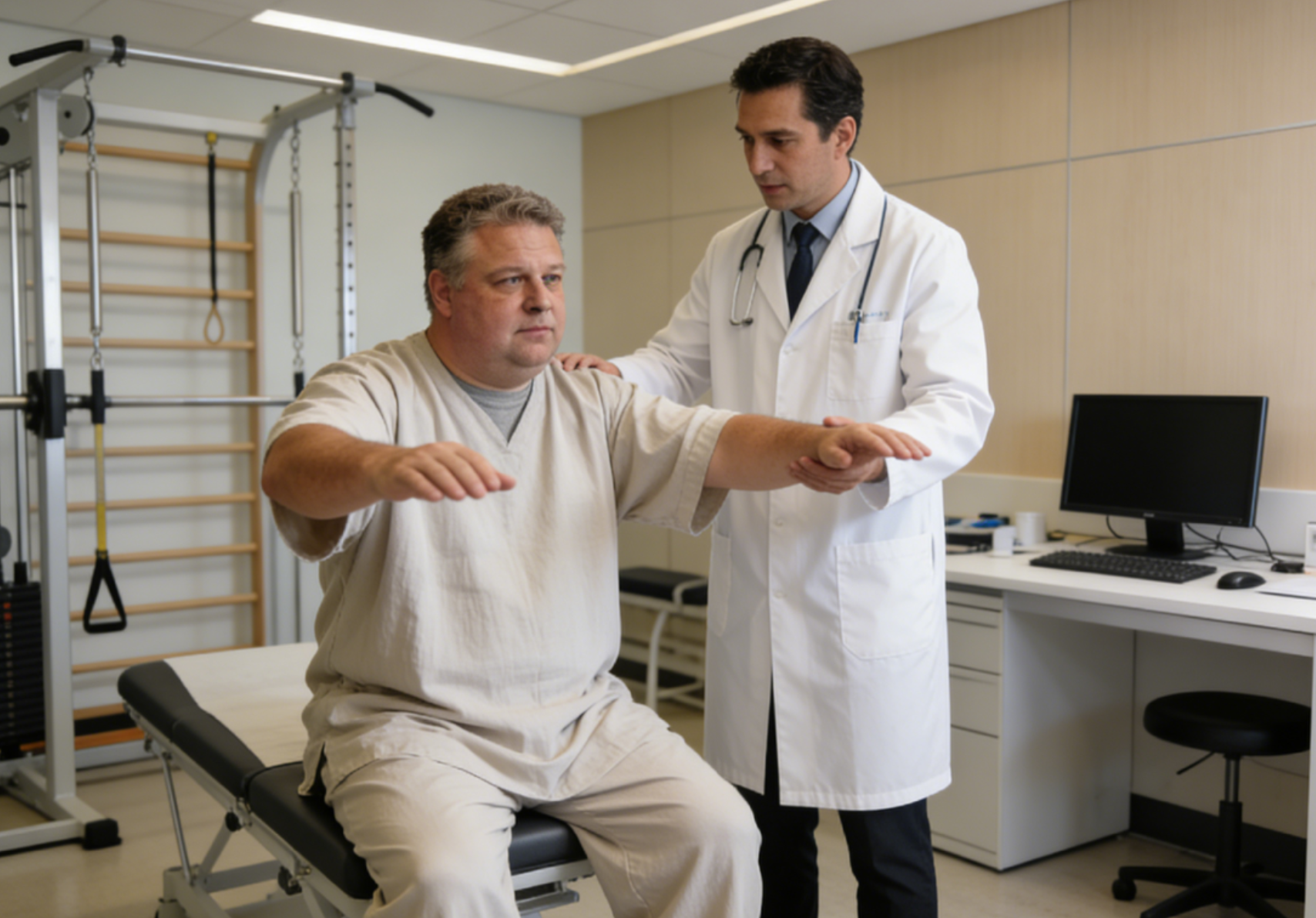
Drug treatment for obesity: Types, effects, and side effects of appetite suppressants
This article introduces appetite-suppressing weight-loss drugs, mainly amphetamines, focusing on the mechanism of action, indications, usage, and side effects of commonly used drugs such as fluamphenicol and diethylamine benzophenone, emphasizing the auxiliary role of drug therapy.
2026-05-22
The many benefits of exercise: boosting brain energy, slowing aging, relieving stress, and improving sleep.
Exercise can directly impact and improve mental health. It promotes blood circulation, allowing blood to flow more smoothly to the brain, improving reaction time and concentration. Scientists have found that regular walking can prevent cognitive decline in women over 65. Exercise is one of the most effective ways to reduce anxiety, simultaneously lowering stress hormones and enhancing...
2026-05-22
Will eating too quickly cause weight gain? The relationship between eating speed and weight.
Multiple studies have shown that people who eat quickly are at greater risk of weight gain. However, eating speed is not an independent factor, but rather related to food texture-when eating whole grains and vegetables that require thorough chewing, the eating speed naturally slows down, reducing energy intake. A slower eating speed can increase the level of gut satiety hormones (GLP-1, PYY)....
2026-05-21
Nine reasons to lose weight slowly: Protects your skin, hair, and menstruation.
Weight loss shouldn't be rushed. There are nine reasons to lose weight slowly, at a rate of 1.5 kg per month: It protects skin from sagging, prevents hair loss, avoids a sallow complexion, maintains a positive mood, prevents menstrual irregularities or even amenorrhea, prevents metabolic disorders (gallstones, fatty liver), avoids the body's resistance to weight loss, ensures quality of life...
2026-05-21
10. Obesity, osteoporosis, and psychological testing assessment
This chapter discusses the relationship between obesity and osteoporosis in menopausal women, emphasizing the importance of weight management for bone health. It also provides 14 psychological tests to help determine if you are suited for weight loss and your likelihood of success.
2026-05-20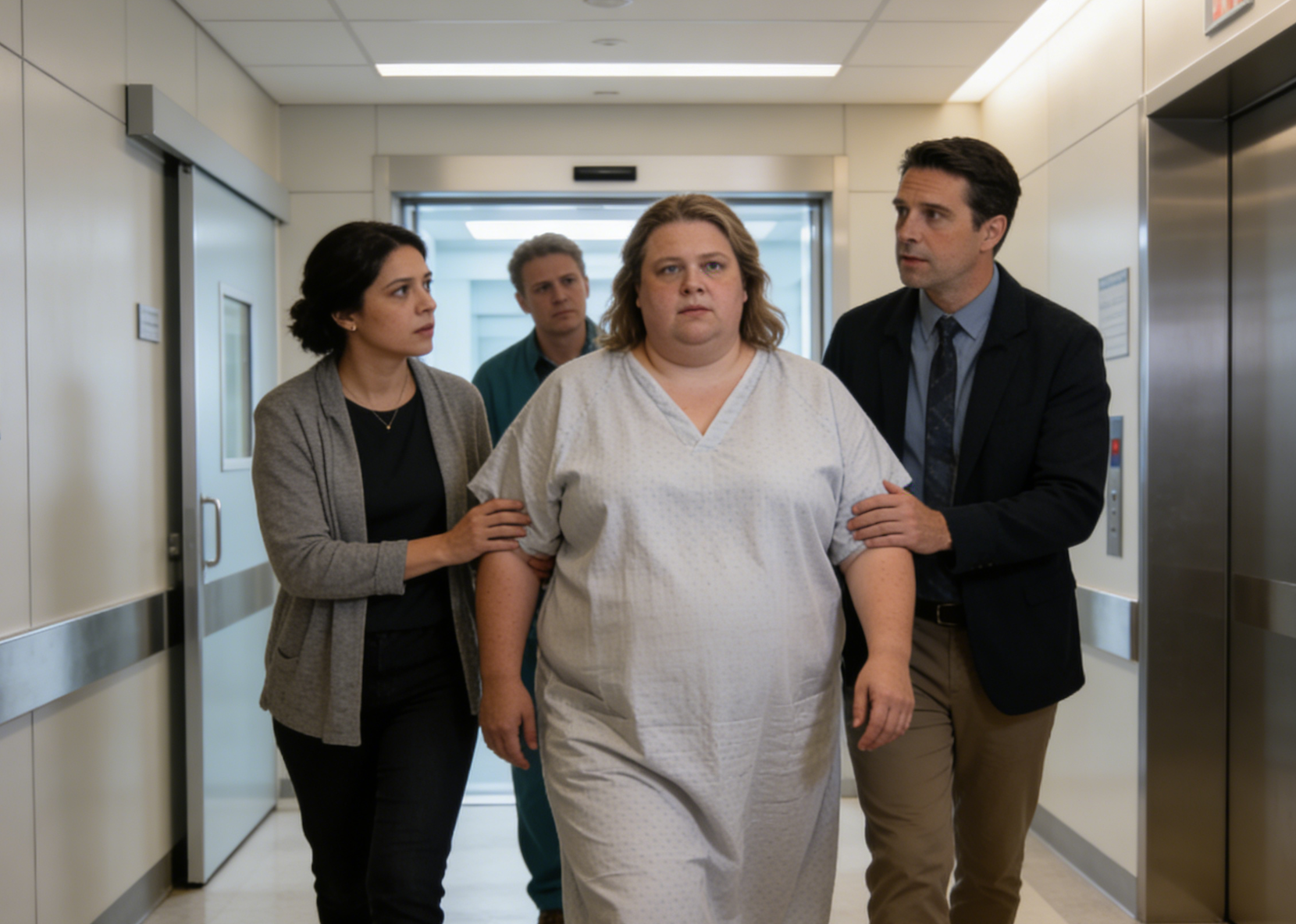
3. Personalized medication in combination therapy and the root causes of obesity in Chinese people
Cocktail therapy prescribes treatments tailored to each individual's constitution and dietary habits. This chapter points out that the main cause of obesity in Chinese people is excessive starch intake, with rice being converted into fat in the body. It also cites cases of family members who remain obese despite eating vegetarian diets.
2026-05-20
General Introduction to Scientific Weight Loss: Method Selection and Common Misconceptions Test
This article begins with a section on weight loss methods, using 15 thought-provoking quiz questions. The questions cover topics such as the indications for weight loss medication, the principles of traditional Chinese medicine acupuncture for weight loss, the duration of aerobic exercise, and common weight loss misconceptions (such as skipping breakfast or eating only fruit). The answers...
2026-05-09
Introduction and Editor's Note to "Understanding Your Body Type Before Losing Weight"
This article is the opening section of the book "Understanding Your Body Constitution Before Losing Weight," including an introduction to Master of Traditional Chinese Medicine Wang Qi, a summary of the content, copyright information, and the editor's note. The editor elucidates the severity of the obesity problem from the perspectives of social development and health, points out the...
2026-05-09
Blood-nourishing and skin-moisturizing tea, licorice apple tea, and a complete guide to meal replacement weight loss.
It provides recipes and preparation methods for blood-nourishing and skin-moisturizing teas and licorice apple teas. Following this, it comprehensively explains meal replacement for weight loss: why meal replacements can help with weight loss, types of meal replacements, which meal replacement is best, how to consume them, side effects and coping strategies, and key points for purchasing them,...
2026-05-08
Homemade herbal tea brewing method and lemon, rose and jasmine green tea
This article details four brewing methods for herbal teas: pouring hot water directly over the tea leaves, adding water before the flowers, simmering over low heat, and steeping in cold water. Each method is suitable for different types of herbs. It then provides specific recipes, benefits, and drinking suggestions for lemon-scented rose tea and jasmine-scented green tea, helping readers...
2026-05-08
Overview of Weight Loss Products: Types and Representative Drugs of Western Medicine Weight Loss Drugs
This section provides an overview of the classification of weight-loss drugs: those that inhibit intestinal absorption, suppress appetite, increase energy expenditure, and herbal remedies. It details the mechanisms of action, adverse reactions, precautions, and contraindications of two representative drugs, sibutramine and orlistat, reminding readers to use these medications with caution.
2026-05-04
Appetite suppressants (II): 5-hydroxytryptamine analogues
This article introduces the pharmacological effects of serotonin-like appetite suppressants, focusing on the usage, efficacy, side effects, and precautions of fenfluramine and fluoxetine, as well as the selection principles for appetite suppressants.
2026-05-04
Diarrhea-induced weight loss only reduces water weight. Weight loss drugs should be used with caution by obese children and are contraindicated during menstruation and breastfeeding.
Weight loss through diarrhea works by eliminating water retention with laxatives, but weight rebounds after discontinuation and can lead to malnutrition. Weight loss drugs are contraindicated in obese children to avoid affecting their growth and development. Women taking weight loss drugs during menstruation and breastfeeding are at high risk.
2026-05-03
For obese individuals with diabetes, lowering blood sugar is crucial for weight loss. Long-term use of weight loss drugs should be avoided, as they can cause drug poisoning.
Obese individuals with diabetes need to lower their blood sugar; acarbose can reduce sugar absorption and lower lipids. Weight-loss drugs should not be used long-term, otherwise tolerance and side effects may occur. Overdose or misuse of weight-loss drugs can lead to poisoning, which can be fatal in severe cases.
2026-05-03
Traditional Chinese medicine for weight loss is not absolutely safe; avoid indiscriminate use and abuse of weight loss drugs; and address simple obesity through a three-pronged approach.
Traditional Chinese medicine can also be toxic; misuse of laxative-type Chinese herbal medicines can lead to collapse. Weight loss is a medical procedure and should be carried out under the guidance of a doctor. Simple obesity requires a three-pronged approach: dietary control, appropriate exercise, and medication.
2026-05-02