Weight Loss Science: Is Spot Reduction Feasible? A Detailed Explanation of Scientific Fat Loss Principles
Localised Slimming:
Is it possible to slim just the face,
legs, or stomach?
Students often ask me: ‘Burning, what exercises should I do to slim my face? What for my stomach? What for my legs?’
These questions essentially boil down to one core issue: can targeted exercise achieve localised fat reduction?
The straightforward answer is: under normal circumstances, isolating specific areas through exercise alone cannot directly reduce fat in those regions.
Consider some very simple examples: many people have done sit-ups for decades, yet the thickness of their belly fat hasn't diminished in the slightest. Or take long-distance running: after losing weight through this activity, your legs likely haven't slimmed down much. More often than not, it's the waistline that shrinks – yet the stomach isn't directly exercised, is it? Furthermore, many people find their faces appear smaller when they lose weight, and the face is even less likely to engage in targeted exercise.
Research comparing weight loss outcomes between overweight female university students engaging in full-body versus localised exercise revealed no substantial difference in fat distribution between the two groups.
So why doesn't targeted exercise achieve spot reduction?
The reason lies in how exercise works: oxygen levels in the blood decrease, blood flow accelerates, and fat from throughout the body is broken down and released into the bloodstream. This fat is then transported to the muscles where glycogen is being rapidly depleted. Thus, the body's fat reserves are mobilised uniformly, with all fat being utilised collectively. While certain areas may lose more fat than others, this has no correlation with exercising a specific body part. Under normal circumstances, exercise-induced fat loss does not follow a proximity principle – much like one cannot selectively drain water from a particular corner of a swimming pool.
In fact, when losing weight through exercise, regardless of the activity, the waist and abdomen typically show the most significant reduction initially, followed by the limbs and buttocks. I trust most will recognise that, overall, abdominal slimming tends to be markedly more pronounced than in other areas.
While pure exercise cannot achieve localised fat reduction, this does not render targeted slimming entirely unfeasible. Certain methods can indeed facilitate localised weight loss, briefly outlined below.
The first is acupuncture. Acupuncture for weight loss originates from traditional Chinese medicine and constitutes a meridian-based slimming technique. Its underlying mechanism involves regulating metabolic and endocrine functions. Treatment suppresses gastrointestinal motility, reduces hunger sensations and appetite, thereby decreasing energy intake. Acupuncture also demonstrates notable efficacy for targeted fat reduction. One study divided 60 obese participants into two groups: one receiving conventional therapy, the other combining localised acupuncture with conventional treatment. Results confirmed that incorporating localised acupuncture significantly enhanced localised fat reduction.
The second method is localised massage (tuina). One study had participants undergo one hour daily of gluteal and leg massage combined with moderate-intensity aerobic exercise, while a control group performed aerobic exercise alone for the same duration. Results showed the massage group exhibited more pronounced reductions in hip and leg circumference. Research suggests this may occur because prolonged localised massage disrupts fat tissue, increasing fatty acid levels in the bloodstream. Aerobic exercise then further enhances fat mobilisation rates in the massaged areas, accelerating localised fat utilisation.
The third method combines fasting with localised exercise. Studies indicate that during fasting, the body enters a state primed for fat oxidation and breakdown. Blood flow to exercised areas increases, boosting fat decomposition rates. In other words, exercising without food intake allows for additional fat consumption around the exercised area, thereby achieving localised fat reduction to some extent.
The fourth method involves muscle gain to achieve a visual effect of localised weight loss. This is easily understood: strength training increases local muscle mass, making you appear slimmer visually at the same body fat percentage. The reason is that as subcutaneous muscle volume increases, it pushes out the subcutaneous fat, dispersing it and altering the muscle-to-fat ratio in that area, making the fat appear thinner.
It's like making dumplings: if you only put a little filling inside, the wrapper seems thick; if you pack it full of filling, the wrapper seems thin. Fundamentally, the thickness of the skin hasn't changed; it's just that the proportion of skin relative to the overall thickness has decreased. But I suspect most women wouldn't want to pursue muscle gain as a method.
The fifth method is liposuction. While I strongly advise against it, it is indeed a form of localised fat reduction. I won't elaborate further here.
So, does the above content challenge your preconceptions? It turns out that localised fat reduction isn't quite as absolutely feasible or impossible as many previously believed.
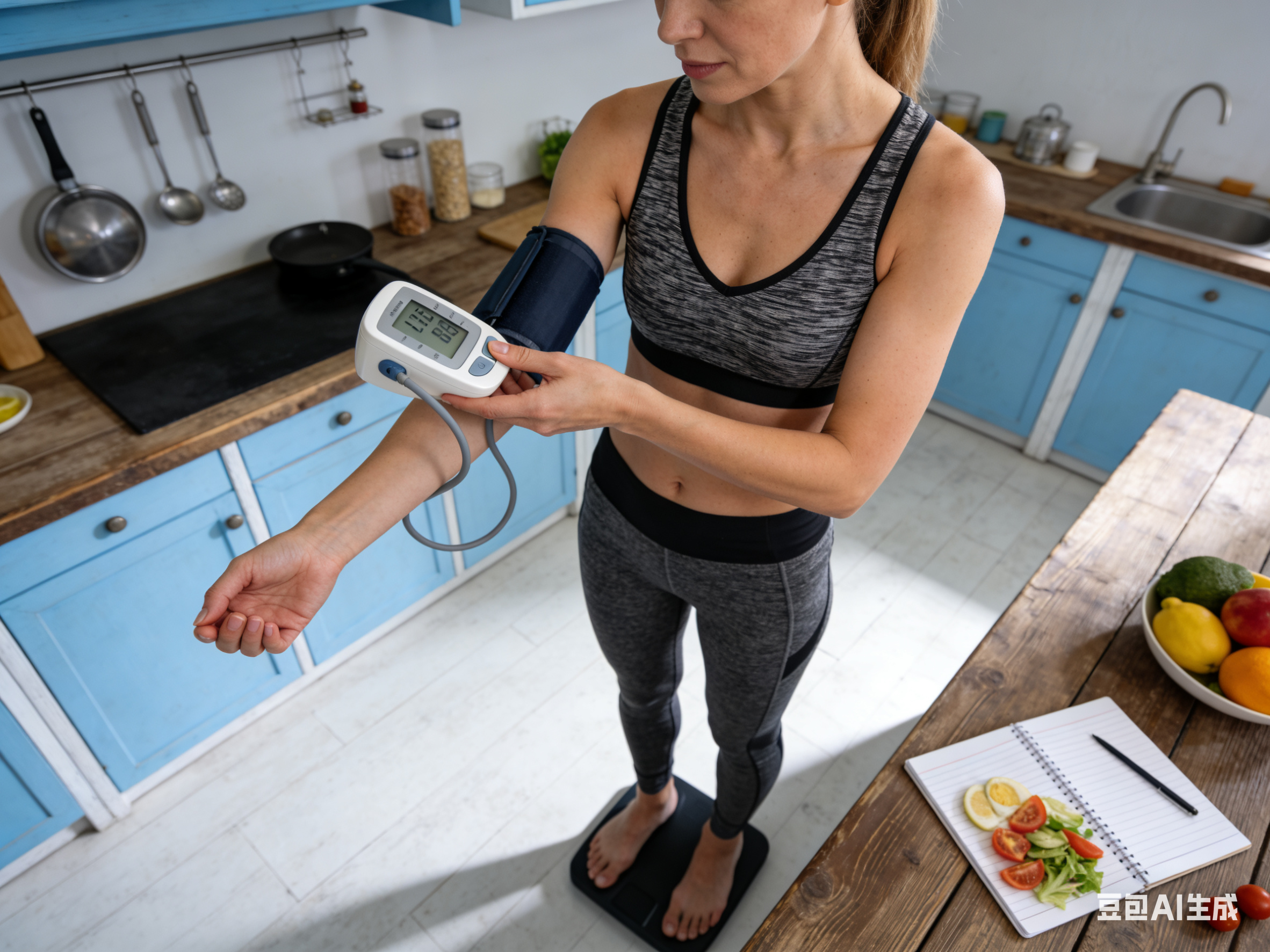
The final stage of the record-keeping weight loss method: getting on track and achieving weight control.
This article details the final "on-track" stage of the tracking-based weight loss method, teaching you how to achieve natural weight maintenance through body data. The ultimate goal of this method is to end conscious weight loss and allow the body to maintain its ideal state naturally, like a satellite in orbit, achieving long-term health management.
2026-03-26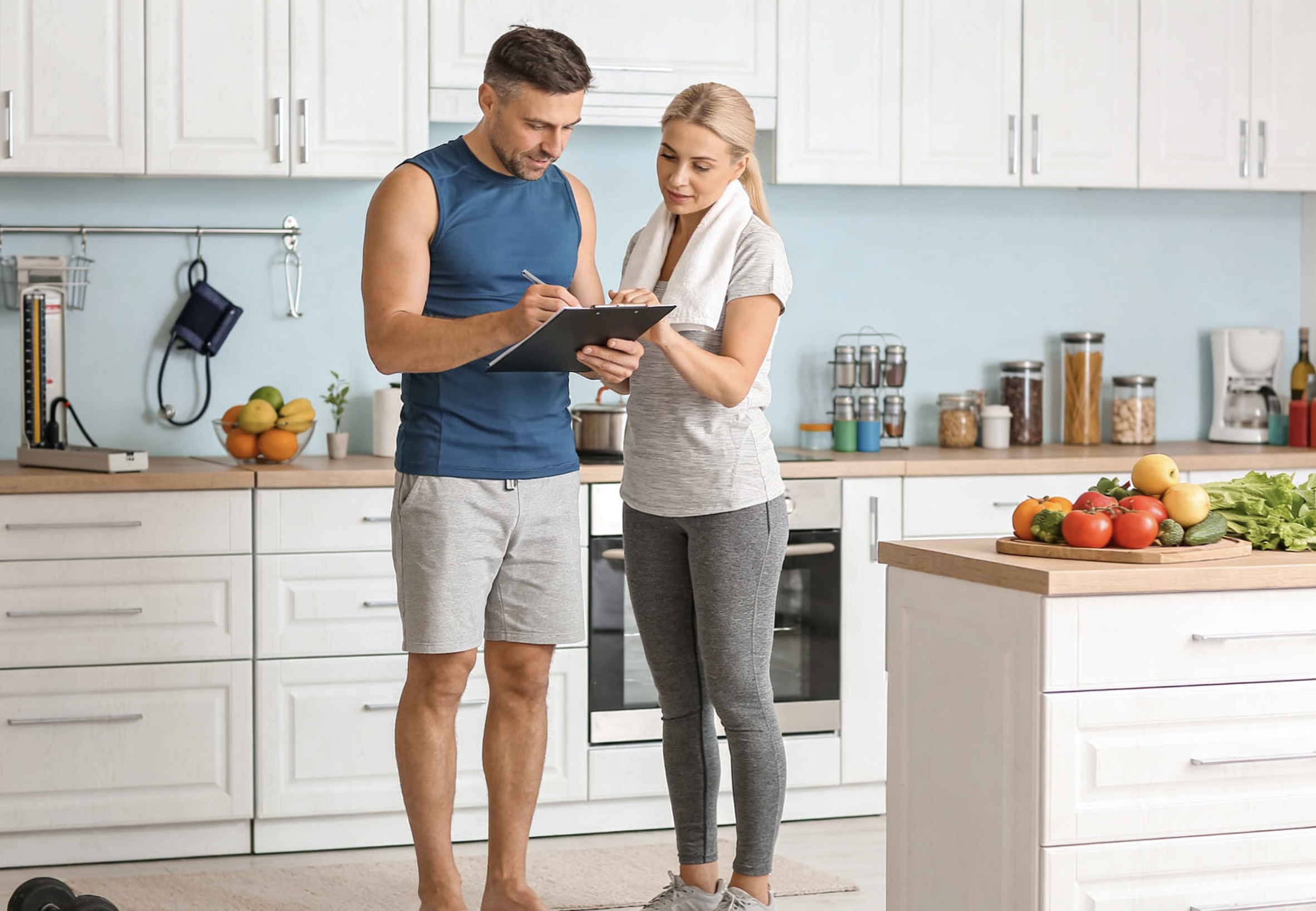
Entering the track phase: Achieving a scientific weight loss method that requires no willpower.
This article details the "on track" phase of the journaling-based weight loss method, a scientific approach that doesn't rely on willpower. By resetting satiety levels, it helps the body automatically maintain its ideal weight, allowing you to easily complete your weight loss journey and achieve long-term healthy weight control.
2026-03-26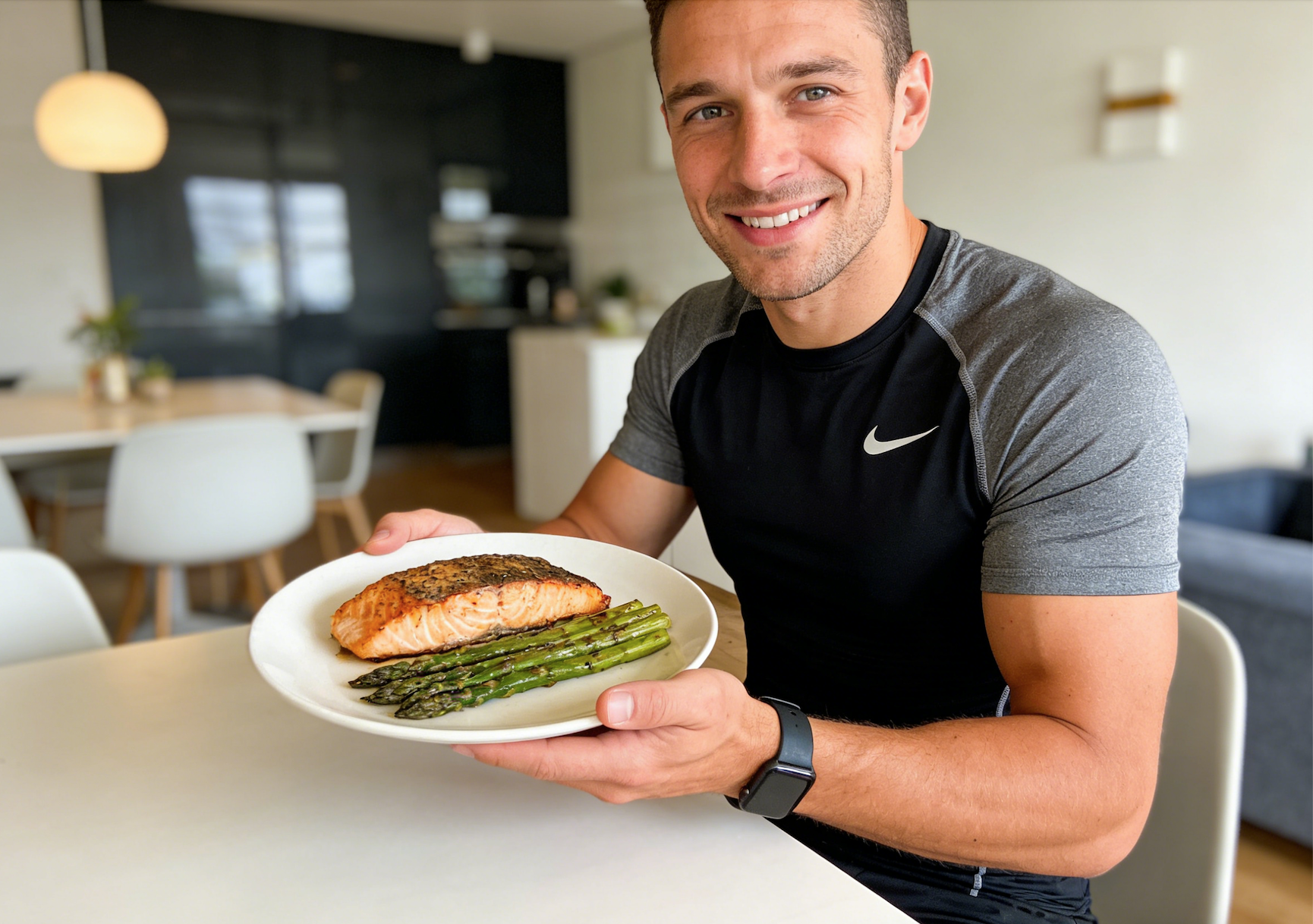
Life changes after successful weight loss: Double benefits in terms of both economy and environmental protection.
This article shares lifestyle changes after successful weight loss, including reduced food spending, increased environmental awareness, and methods to address food waste. Weight loss not only improves health but also brings both economic and environmental benefits, helping you maintain your ideal weight in the long term.
2026-03-26