
How many carbohydrates do you actually need? - Daily intake and insulin resistance
How many carbohydrates do you actually need?
There is a way to calculate your daily carbohydrate intake: Get carbohydrates from
Your daily calorie intake should be between 45% and 65%. This calculation is not a hoax. You need to make sure...
To achieve weight loss, you need to determine how many calories you need to consume each day. For most rational dieters...
It's said that women need 1200 calories per day, and men need 1500-1800 calories. If you...
The recommended daily intake of carbohydrates is 45%, so you would multiply that number by 0.45.
Then divide the result by 4 (because each gram of carbohydrate contains 4 calories). The final number is...
It refers to the total amount (in grams) of carbohydrates you should consume each day.
The algorithm is as follows:
1200 × 0.45 = 540
540 ÷ 4 = 135 grams of carbohydrates
By the way, according to the "Daily Reference Intake" (which measures the amount of nutrients needed daily to maintain good health),
(One method of food intake) Adults need to consume at least 130 grams of carbohydrates per day. Put this "per"
The "Daily Reference Intake" converted into everyday foods is equivalent to: 8 slices of whole wheat bread, 3 cups of cereal, or 3...
Medium-sized baked potatoes. There are many small paperback books on the market that can tell you about most foods.
The nutrition label on the food being sold can provide you with more information about its calorie, carbohydrate, and fat content.
It's easy to know its nutritional content. As long as you balance your diet-eat plenty of vegetables and fruits-you can get it.
You can obtain all the nutrients you need without having to worry about calculations.
Natural carbohydrates, especially those from fruits, vegetables, whole grains, and legumes, are the most...
Okay. What harms our health are artificial carbohydrates containing sugar and starch, such as chocolate candies,
Pastries, shortbread, white bread, refined white rice, and French fries.
Facts
The time of day you eat doesn't matter; what determines whether you gain or lose weight is...
What determines your weight is what you eat throughout the day, how much you eat, and how much activity you engage in. Regardless...
Your body will store excess calories as fat no matter when you eat. If you want to sleep...
Before you eat a snack, you should first think about how many calories you have consumed that day.
What should I eat more of and what should I eat less of?
You can use 130 grams of carbohydrates as a baseline. However, if you consume mostly carbohydrates throughout the week...
If you exercise regularly, you need to increase your carbohydrate intake. This applies to people who are enthusiastic about exercise, and like my husband...
Athletes like men need to consume more carbohydrates (sports nutritionists say that your daily intake...).
Of the total calories, at least 65% to 75% come from carbohydrates. All physical activities primarily rely on carbohydrates.
The fuel is glucose. When people exercise, carbohydrates (glycogen) are stored in muscles and the liver.
It will be used up quickly, and to maintain this readily available fuel reserve in the body, you need...
Consume carbohydrates. Excessive glycogen loss from muscles is a major problem because glycogen deficiency leads to...
It reduces physical fitness and causes premature fatigue. If you are trying to build muscle mass, you will definitely need to...
You need to consume carbohydrates-these foods provide fuel for your workouts and help deliver protein into your muscles.
This helps it grow and prevents muscle loss caused by dieting.
Facts
Milkshakes often have a lot of foam, which can mislead your stomach into thinking you're already full.
You'll eat less at each meal. Make sure you're drinking low-calorie smoothies, such as soy milk smoothies.
Add fruit and crushed ice. Otherwise, it will have the opposite effect and you won't achieve your weight loss goal.
Some people may tell you that they have difficulty digesting carbohydrates. This is related to "insulin resistance".
Insulin acts like a gatekeeper in the bloodstream, allowing glucose from the blood to enter cells and be stored as energy.
It exists in cells in preparation for use. When insulin resistance occurs, cells resist the insulin signal.
What triggers insulin resistance? This remains a mystery. However, many researchers believe it is related to...
Genetics plays a role; being overweight or inactive can worsen the condition. When cells don't respond, they need more...
More and more insulin is produced to function. The pancreas secretes large amounts of insulin until this hormone finally overcomes its limitations.
Cellular resistance forces glucose into the cells. If the pancreas cannot secrete more insulin, blood...
Blood sugar levels will remain high. This blood problem may be a precursor to type 2 diabetes. Experts estimate that...
Between 60 and 75 million Americans have insulin resistance. In other words, they are at risk of developing diabetes.
It's just one step away.
However, many people with insulin resistance do not develop diabetes because they eventually become able to...
It can secrete enough insulin to prevent blood sugar levels from rising to dangerously high levels. However, the amount of insulin in the blood...
Excessive insulin is not good, as it can lead to metabolic syndrome and increase the risk of heart disease.
risk.
Once your doctor suspects you have insulin resistance, the most important thing is to control your blood sugar.
Sugar. At this point, your diet becomes extremely important. I dare say, your diet is the thing you need to pay the most attention to.
The second most important thing. Most researchers recommend a diet that includes at least 40% to 45% carbohydrates.
Compounds (remember complex carbohydrates such as beans, sweet potatoes, and brown rice, because simple carbohydrates...)
Foods can be directly converted into glucose through metabolism), and contain 35%–40% fat (eat foods rich in monounsaturated fatty acids).
Fatty foods, such as olives, canola oil, and nuts, can help control insulin and "bad" low-density lipoprotein (LDL) cholesterol.
It contains lipoproteins and 15%–20% of the calories from protein. This type of protein contains a variety of macronutrients.
A diet rich in elements can alleviate symptoms of insulin resistance.
Despite our extensive discussion about carbohydrates, things remain confusing. But I believe...
Nutrition isn't that complicated. You need to reduce your intake of low-nutrient foods, such as sugar and junk food.
Food and alcohol. You need to make sure you don't become addicted to fat, consume enough protein, and eat plenty of vegetables.
Fruits and whole grains. My mom has a great way of dealing with tempting food. She asks herself, "Is it worth it?"
"Is it worth wasting those calories?" The answer is sometimes "yes," sometimes "no." I learned from my mother...
I learned a lot from my mother, one of which is that life is the art of balance; moderation is key.
That's good.
So, where is the bottom line? Carbohydrates are good things and bring joy to our lives.
It's not an unhealthy food in itself, but rather a friend we need to balance our diet.
Therefore, we should live in peace with them.
Special note: This can significantly reduce the risk of diabetes and heart disease within 3 weeks!
Can you reduce your risk of type 2 diabetes and cardiovascular disease in just 3 weeks?
Is it risky? Researchers at UCLA answered "yes." (From *Applied Physiology*)
In the online edition of the magazine, they published a research report stating that they studied diet and daily...
The team studied the effects of exercise on men aged 46–76. They found that a diet rich in nutrients...
A high-fiber, low-fat diet, combined with daily aerobic exercise (45-60 minutes), can effectively reduce...
The study subjects' risk of developing metabolic syndrome and type 2 diabetes. Furthermore, this also helps to curb...
Various factors that can trigger heart disease include insulin resistance, high cholesterol, inflammation, and arteriosclerosis.
All of this can be achieved within one month.
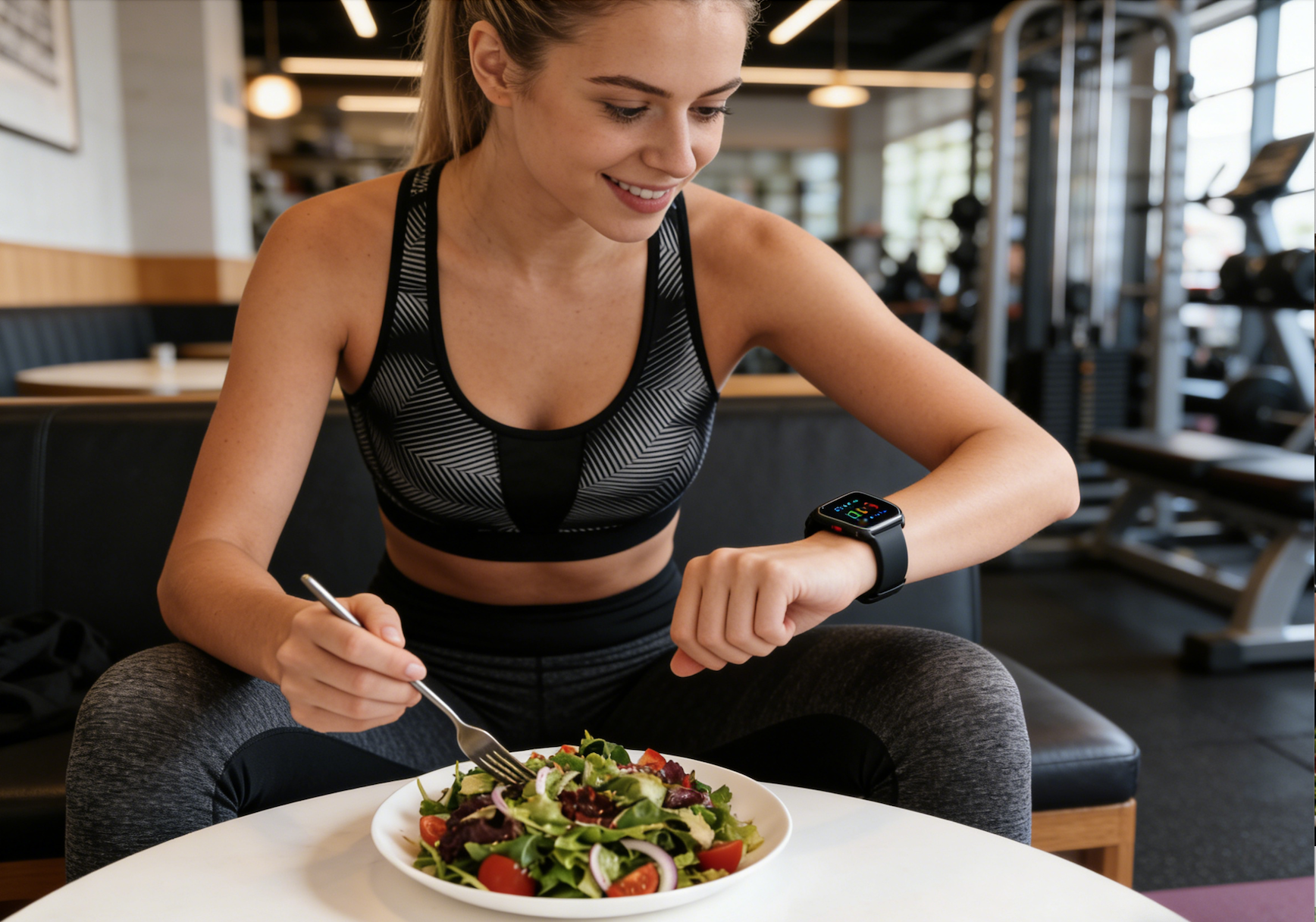
The initial phase of the record-keeping weight loss method: a natural weight loss strategy without dieting.
This article introduces the "run-up" phase of the journaling weight loss method, which involves recording daily food intake and weight to achieve natural weight loss without the need for strict dieting. This method helped the author lose 10 kilograms in 5 months, proving that journaling weight loss is suitable for long-term adherence and is a scientifically effective weight management strategy.
2026-03-26
The initial phase of the record-keeping weight loss method: a natural weight loss strategy without dieting.
This article details the "preparatory" phase of the journaling-based weight loss method, which involves recording your daily food intake and weight to achieve natural weight loss without the need for strict dieting. This method helps you identify unconscious weight-gaining behaviors and easily initiate scientific weight loss. The journaling-based weight loss method is suitable for long-term adherence and is an effective way to achieve healthy weight management.
2026-03-26
Weight Loss Enters the Off-Ground Phase: The Key Role and Scientific Methods of Calorie Calculation
This article provides an in-depth analysis of the scientific basis and practical application of calorie calculation in weight loss, exploring the limitations of calorie indicators and the convenience of calorie labeling in modern life. Learn how to correctly utilize calorie calculation to advance your weight loss process, master the key steps of scientific weight loss, and achieve healthy and effective weight management.
2026-03-26